
March 6, 2026
How Do Chimneys Stop Rain?
Why Chimneys Don’t Let Rain Inside Your Home
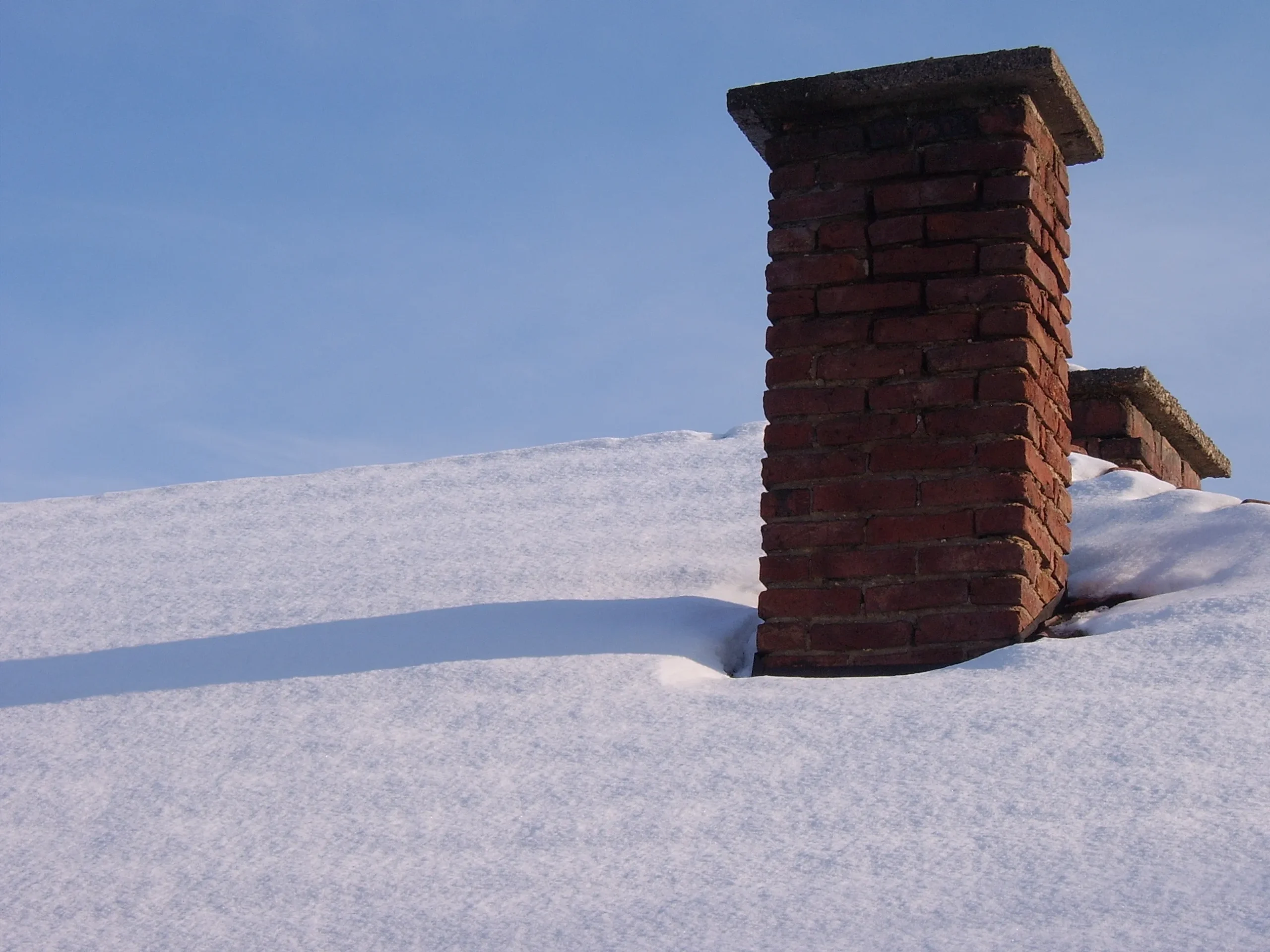
Many homeowners assume that because a chimney is an open structure on the roof, rain must easily fall straight into it. In reality, a properly built and maintained chimney is designed specifically to prevent water from entering your home. Understanding how chimneys stop rain can help you recognize why professional installation and maintenance are so important.
At our company, we often meet homeowners who are surprised to learn how many different components work together to keep their chimney system dry and functioning properly. When everything is installed correctly, your chimney becomes a well-engineered system that protects your home from water damage.
The Chimney Cap: Your First Line of Defense
The most important feature that prevents rain from entering your chimney is the chimney cap. This metal cover sits on top of the chimney flue and acts like a roof for the opening. While smoke and gases can safely escape through the sides of the cap, rain is blocked from falling directly into the flue.
Chimney caps also serve additional purposes. They help keep debris, leaves, and animals out of the chimney while improving overall airflow. Without a properly installed cap, rainwater can easily enter the flue and travel down into the fireplace or chimney structure, potentially causing serious damage.
The Role of the Chimney Crown
Another key element that protects your chimney from rain is the chimney crown. The crown is the concrete or mortar layer that seals the top of the chimney structure around the flue. Its slightly sloped design allows water to run away from the chimney rather than pooling around it.
When the crown cracks or deteriorates, water can begin seeping into the masonry. Over time, this moisture can weaken bricks, damage mortar joints, and even cause interior leaks. That’s why regular inspections are essential to ensure the crown remains intact and effective.
Flashing: Protecting the Roof Connection
The area where the chimney meets the roof is another potential entry point for rain. Professional chimney systems include metal flashing installed around the base of the chimney. Flashing creates a waterproof seal between the roofing materials and the chimney structure.
If flashing is poorly installed or becomes damaged over time, rainwater can slip through the gaps and enter your attic or walls. Proper flashing installation requires experience and precision, which is why it should always be handled by trained professionals.
Why Professional Chimney Maintenance Matters
Even though chimneys are designed to keep rain out, wear and tear over time can reduce their effectiveness. Missing chimney caps, cracked crowns, and deteriorating flashing are common problems that homeowners may not notice until water damage appears.
That’s where professional chimney services make a difference. Our experienced technicians inspect every part of your chimney system, identify potential issues early, and provide reliable repairs that keep your home protected. Regular maintenance not only prevents costly water damage but also ensures your chimney operates safely and efficiently year-round.
If you want to keep rain, moisture, and costly repairs away from your home, trusting professionals with your chimney inspection and maintenance is always the smartest choice.