November 28, 2025
Chimney Masonry Repair: How Homeowners Can Protect Their Homes Before Winter Takes Ove
As late fall settles in and freezing temperatures draw closer each day, homeowners across the region begin preparing for another long, challenging winter. Snow, ice, strong winds, and constant freeze–thaw cycles put enormous stress on residential structures—especially chimneys. This is exactly why chimney masonry repair becomes one of the most important home maintenance tasks this time of year.
Your chimney stands fully exposed to the elements all year long. Unlike most parts of your home, it has no insulation from wind, moisture, and rapid temperature changes. Small cracks that seem harmless in early fall can turn into major structural problems once winter fully arrives. Taking action now can prevent expensive damage and keep your home safe throughout the cold season.
Why Harsh Winter Weather Is So Tough on Chimneys
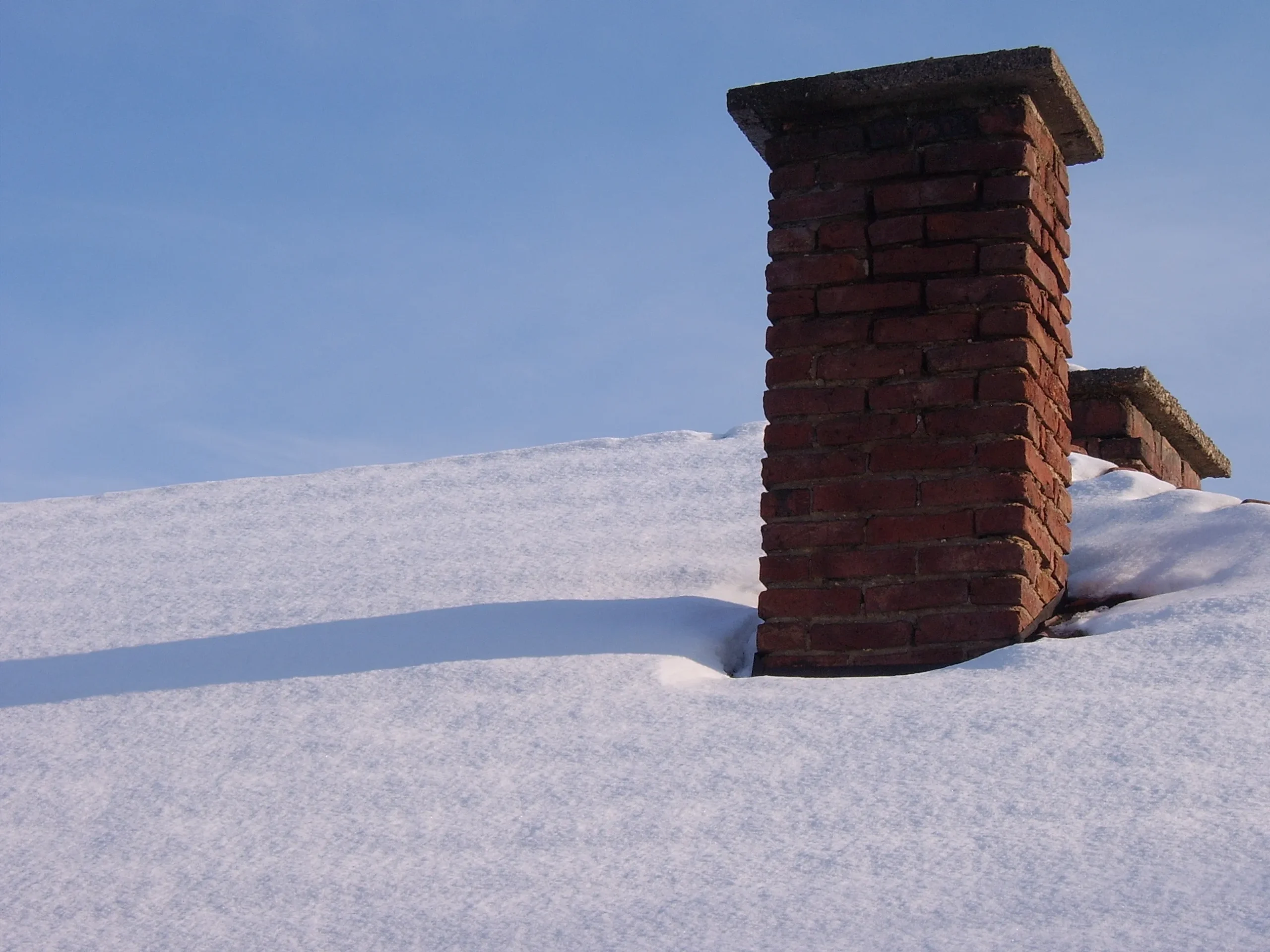
In northern climates, winters are known for dramatic temperature swings, heavy snow, freezing rain, and persistent wind. During the cold months, it is common for temperatures to rise above freezing during the day and drop well below it at night. This repeated freeze–thaw cycle is extremely destructive to brick and mortar.
When moisture enters tiny cracks in the masonry and then freezes, it expands. Over time, that expansion forces bricks apart, weakens mortar joints, and leads to visible damage such as:
-
Cracked and crumbling mortar
-
Spalling or flaking brick surfaces
-
Loose or shifting chimney structures
-
Water leaks into interior walls and ceilings
Without timely chimney masonry repair, this type of damage accelerates quickly during winter.
Warning Signs Your Chimney Needs Masonry Repair
Many homeowners don’t realize their chimney is deteriorating until interior problems begin to appear. Before winter sets in, inspect your chimney or watch for these common warning signs:
-
White powdery residue on bricks (efflorescence)
-
Missing or deteriorated mortar joints
-
Loose or broken bricks on the chimney exterior
-
Water stains on walls or ceilings near the fireplace
-
A persistent damp or smoky odor inside the home
-
Rusted fireplace or damper components
Any of these issues indicate that moisture is entering your chimney system and that its structural integrity may already be compromised.
Why Fall Is the Ideal Time for Chimney Masonry Repair
Late fall is the most effective time of year for chimney masonry work for several important reasons:
Proper mortar curing: Masonry materials require stable temperatures to cure correctly. Once daily temperatures stay below freezing, quality repairs become difficult and less reliable.
Protection before heavy snow: Sealing cracks and rebuilding damaged mortar joints before winter prevents melting snow from penetrating deep into the chimney system.
Increased fireplace use: As homes rely more heavily on fireplaces and heating systems, chimney defects pose a far greater safety risk.
Avoiding emergency winter repairs: Cold-weather masonry repairs are more expensive, more dangerous, and often limited by weather conditions.
Addressing chimney issues now helps avoid emergency calls during the harshest weeks of winter.
The Safety Risks of Ignoring Chimney Masonry Damage
Damaged chimney masonry is far more than a cosmetic issue. It can pose serious threats to both your property and your family’s health:
-
Carbon monoxide exposure: Cracks in masonry and flue systems allow toxic gases to seep into living spaces.
-
Higher fire risk: Damaged masonry allows excessive heat to reach surrounding framing materials.
-
Interior water damage: Moisture entering the chimney spreads to insulation, drywall, and wood structures.
-
Structural failure: Over time, weakened chimneys can partially collapse under the weight of heavy snow and wind.
In many cases, what starts as a minor chimney masonry repair can become a full rebuild if neglected through several winters.
What Professional Chimney Masonry Repair Usually Involves
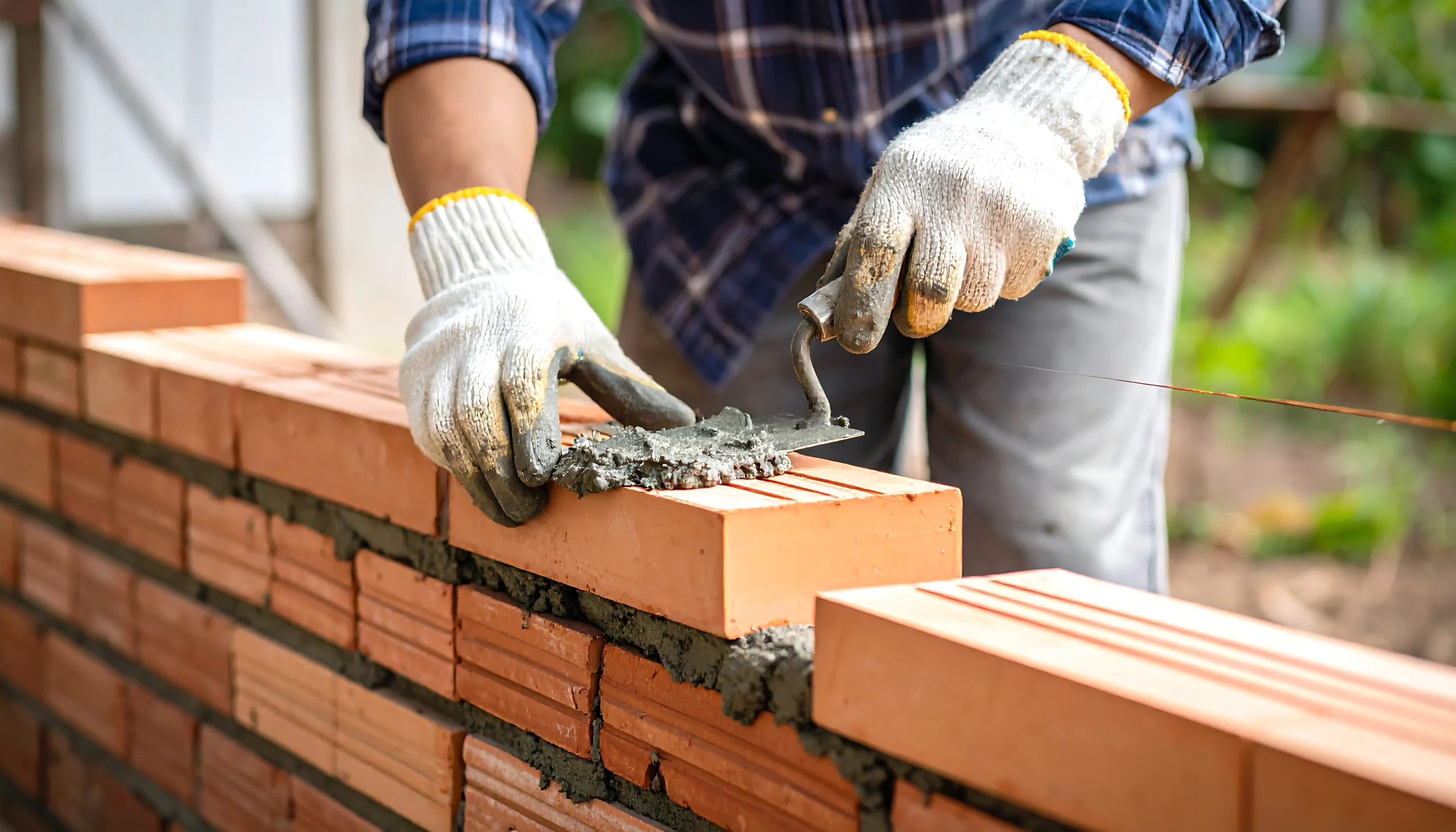
A thorough chimney repair begins with a detailed inspection. Depending on the extent of the damage, a professional repair plan may include:
-
Tuckpointing deteriorated mortar joints
-
Replacing damaged or spalled bricks
-
Rebuilding unstable chimney sections
-
Repairing or replacing the chimney crown
-
Sealing flashing where the chimney meets the roof
-
Applying waterproofing to exposed masonry
Each step plays a critical role in strengthening the chimney and protecting it against moisture and temperature extremes.
The Role of Waterproofing in Long-Term Chimney Protection
One of the most overlooked but essential components of chimney masonry repair is waterproofing. Professional-grade waterproofing products are designed to repel rain and melting snow while still allowing trapped moisture inside the brick to escape. This breathable barrier significantly reduces water absorption and prevents future freeze–thaw damage.
Waterproofing not only extends the lifespan of the chimney but also reduces long-term maintenance costs and the likelihood of sudden winter failures.
How Winter Conditions Magnify Small Problems
A hairline crack in mortar may appear insignificant during warm months, but once winter arrives, that crack becomes a direct entry point for snow and ice. As frozen moisture expands, it widens the opening, loosens surrounding bricks, and drives water deeper into the structure. By mid-winter, small defects often turn into major structural issues.
That is why proactive chimney masonry repair before winter is always more cost-effective than reactive emergency repairs in freezing temperatures.
Don’t Wait for Winter to Reveal the Damage
Every winter, thousands of homeowners discover chimney problems at the worst possible time—during the coldest days of the year. By then, repair options are limited, costs are higher, and safety risks are significantly increased.
Scheduling your chimney masonry repair before winter fully takes hold gives you peace of mind knowing your home is protected from moisture, fire hazards, and structural damage. It also ensures your fireplace operates safely and efficiently throughout the season when it is needed most.