June 16, 2026
What Is Pointing in Masonry and When Does Your Brickwork Need It?
Brickwork is built to last, but the mortar between the bricks does not last forever. Over time, weather, moisture, temperature changes, and normal aging can cause mortar joints to crack, crumble, or pull away from the brick. When this happens, the wall may still look solid from a distance, but the masonry system can slowly lose strength and protection.
That is where pointing comes in. If you are wondering what is pointing in masonry and when does your brickwork need it, the simple answer is that pointing is the process of repairing or finishing the mortar joints between bricks, stones, or blocks. It helps protect the structure, improve appearance, and prevent water from getting deeper into the wall.
From a contractor’s point of view, pointing is not just cosmetic. It is part of keeping masonry strong, weather-resistant, and safe. When mortar joints start to fail, ignoring the problem can lead to loose bricks, interior moisture, chimney damage, foundation issues, or more expensive repairs later.
What Is Pointing in Masonry?
Pointing in masonry refers to the visible outer layer of mortar joints between bricks, stones, or blocks. During construction, mortar is placed between masonry units to hold them together. The exposed mortar joint is then shaped, finished, or repaired to protect the wall and create a clean appearance.
- Pointing as a New Construction Finish
In new masonry work, pointing is the final shaping and finishing of the mortar joints. The mason tools the joints to create a specific profile, such as concave, flush, weathered, or raked. This helps shed water and gives the wall a finished look.
- Pointing as a Repair Service
In repair work, pointing usually means removing damaged or deteriorated mortar and replacing it with new mortar. This is often called repointing or tuckpointing, depending on the method and appearance.
For homeowners, the terms can be confusing. Many people use pointing, repointing, and tuckpointing almost the same way. A masonry contractor can inspect the wall and explain which repair method is actually needed.
Pointing, Repointing, and Tuckpointing: What Is the Difference?
These terms are related, but they are not exactly the same.
Pointing
Pointing is the general term for finishing or repairing the visible mortar joints in masonry. It can describe both new work and repair work.
Repointing
Repointing means removing old, damaged mortar from the joints and filling them with new mortar. This is usually done when the existing mortar has cracked, crumbled, or eroded.
Tuckpointing
Tuckpointing is a more detailed technique often used to create a very clean, decorative appearance. It can involve using mortar that matches the brick color, then adding a thin contrasting line to make the joints look sharp and uniform.
In many service pages and homeowner conversations, tuckpointing is commonly used to describe mortar joint repair in general. However, a professional masonry contractor may separate the terms depending on the project.
Why Mortar Joints Matter So Much
Mortar joints do more than fill the space between bricks. They help distribute pressure, keep the wall stable, and protect against water penetration. When the joints start to fail, the masonry becomes more vulnerable.
- Mortar Protects the Wall From Water
Water is one of the biggest enemies of masonry. If mortar joints crack or deteriorate, water can enter the wall. Once moisture gets inside, it can cause staining, freeze-thaw damage, mold concerns, and interior leaks.
- Mortar Helps Hold the Wall Together
Bricks are strong, but they need good mortar joints to stay properly bonded. When mortar weakens, bricks can shift, loosen, or become unstable. This is especially important on chimneys, parapet walls, exterior walls, steps, and retaining walls.
- Mortar Affects the Appearance of Brickwork
Old or damaged mortar can make even good brick look neglected. Fresh pointing can make a wall, chimney, or brick facade look cleaner and better maintained without replacing all the brick.
When Does Your Brickwork Need Pointing?
Brickwork may need pointing when the mortar joints show signs of age, damage, or water exposure. Some signs are easy to spot. Others require a closer inspection.
- Crumbling Mortar
If the mortar turns sandy, powdery, or falls out when touched, it may be time for pointing. Crumbling mortar is one of the clearest signs that the joints are no longer protecting the masonry properly.
- Cracks in Mortar Joints
Small cracks may not seem serious at first, but they can allow water to enter the wall. Over time, those cracks can expand and weaken the surrounding brickwork.
- Gaps Between Bricks and Mortar
If you can see open gaps where mortar has pulled away from the brick, the wall is exposed to moisture. A contractor will usually inspect how deep the deterioration goes before recommending a repair.
- Loose or Shifting Bricks
Loose bricks can indicate that the mortar has lost strength. This should be checked quickly, especially on chimneys, steps, porches, and exterior walls.
- Water Stains or Interior Moisture
If you notice water stains inside the home near a brick wall, fireplace, basement wall, or chimney area, failing mortar may be part of the problem. A masonry contractor can inspect the exterior joints and look for entry points.
- White Powdery Stains on Brick
White stains, often called efflorescence, can appear when moisture moves through masonry and leaves mineral deposits behind. It does not always mean the wall needs pointing, but it is a sign that moisture is present.
- Deterioration Around a Chimney
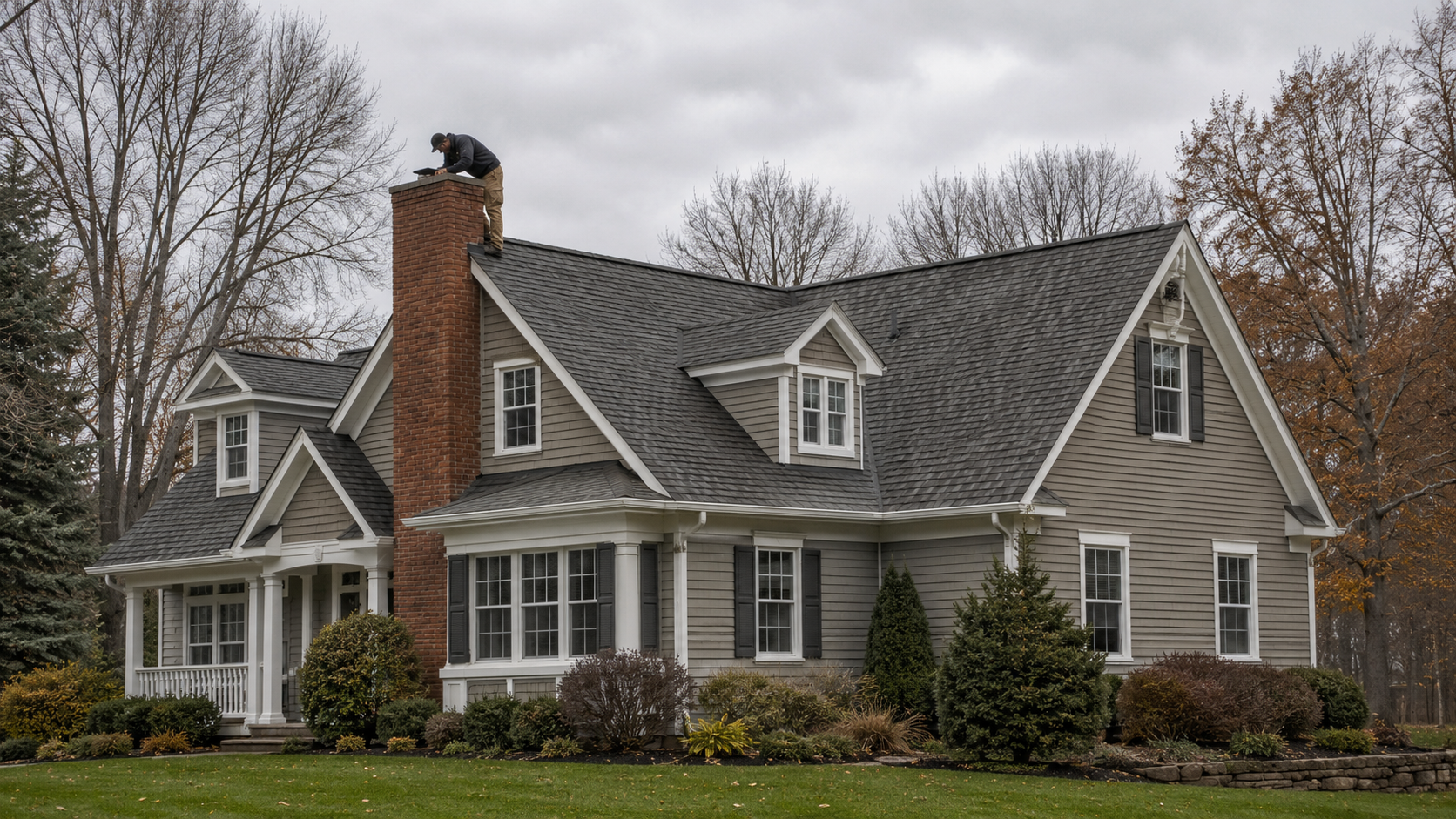
Chimneys are exposed to rain, snow, wind, heat, and temperature changes. Mortar damage on a chimney can lead to leaks, loose bricks, crown problems, and flashing issues. Chimney pointing is often needed before the damage spreads.
Why Brickwork Fails Over Time
Mortar joints can fail for several reasons. A contractor will usually try to identify the cause before starting repairs because the repair should address the actual problem, not only the visible damage.
- Weather Exposure
Rain, snow, ice, sunlight, and wind slowly wear down exterior mortar. Walls that face heavy weather often deteriorate faster than protected walls.
- Freeze-Thaw Cycles
When water gets into small cracks and freezes, it expands. This can push mortar apart and damage brick faces. In colder climates, freeze-thaw damage is a common reason for pointing work.
- Poor Drainage
Clogged gutters, bad downspouts, missing flashing, or water splashing against brick can cause mortar to break down faster. If drainage problems are not fixed, new pointing may not last as long.
- Old Age
Even well-built masonry needs maintenance eventually. Mortar is usually softer than brick, so it is expected to wear out over time.
- Previous Repairs With the Wrong Mortar
Using the wrong mortar can damage brick. Some older brick needs softer mortar that allows the wall to breathe and move. Hard modern mortar may trap moisture or cause older brick to crack. A good contractor will choose a mortar mix that fits the masonry.
How Contractors Inspect Brickwork Before Pointing
A professional masonry contractor does not just look at the surface and start filling joints. Proper inspection helps determine the right repair method.
Checking Joint Depth
The contractor checks how deep the mortar deterioration goes. If only the surface is worn, the repair may be simpler. If the joints are deeply deteriorated, more careful removal and replacement are needed.
Looking for Moisture Sources
If the wall is getting wet because of poor flashing, roof runoff, clogged gutters, or bad grading, those problems should be addressed. Otherwise, the new mortar may fail faster.
Inspecting Brick Condition
Sometimes the brick itself is damaged, not just the mortar. Spalling, cracking, or broken bricks may need replacement before pointing is completed.
Reviewing Chimneys and High-Risk Areas
Chimneys, parapets, steps, and walls near grade are often more exposed to moisture. Contractors usually pay close attention to these areas.
How the Pointing Process Works
The pointing process can vary depending on the building, mortar type, joint condition, and wall location. However, most professional work follows a similar basic process.
Step 1: Remove Damaged Mortar
The old, loose, or deteriorated mortar is removed from the joints. This must be done carefully to avoid damaging the surrounding brick. Contractors may use hand tools or specialized grinders depending on the project.
Step 2: Clean the Joints
After the old mortar is removed, dust and debris need to be cleaned out. Clean joints allow the new mortar to bond properly.
Step 3: Match the Mortar
Mortar should be matched by color, texture, strength, and type. This is especially important on older homes. The goal is not only to make the repair look good, but also to make sure the new mortar works with the existing masonry.
Step 4: Apply New Mortar
New mortar is packed into the joints in layers. The contractor makes sure the joints are filled properly, not just covered on the surface.
Step 5: Tool the Joints
The joints are shaped to match the existing profile or to create a proper water-shedding finish. This step affects both appearance and durability.
Step 6: Clean the Surface
Once the mortar begins to set, the wall is cleaned carefully. Harsh cleaning can damage brick, so this step should be handled properly.
Why DIY Pointing Can Go Wrong
Pointing may look simple, but poor repair work can create bigger problems.
- Removing Too Much or Too Little Mortar
If damaged mortar is not removed deeply enough, the new mortar may only sit on the surface and fail quickly. If too much is removed carelessly, the brick can be damaged.
- Using the Wrong Mortar Mix
Wrong mortar can be too hard, too soft, too wet, too dry, or visually mismatched. On older brick, incorrect mortar can cause long-term damage.
- Messy Joint Finish
Uneven joints can make the brickwork look sloppy. More importantly, poorly finished joints may hold water instead of shedding it.
- Ignoring the Cause of Damage
If the mortar failed because water is constantly hitting the wall, pointing alone may not solve the issue. A contractor will look for the source of moisture and recommend the right correction.
How Often Does Brickwork Need Pointing?
There is no one exact timeline for every home. Brickwork may need pointing sooner or later depending on weather exposure, mortar quality, brick type, drainage, and maintenance.
Exposed Walls May Need Attention Sooner
Walls that face strong weather, chimneys, and areas near rooflines often age faster. These should be inspected more often.
Older Homes Need Careful Evaluation
Older homes may have softer brick and lime-based mortar. They can still perform well, but repairs need to be done with the right materials and techniques.
Regular Inspection Helps Prevent Larger Repairs
Checking masonry every few years can help catch small mortar problems before they turn into loose bricks, leaks, or structural concerns.
Can Pointing Improve Curb Appeal?
Yes, pointing can make a major difference in how brickwork looks. Clean, even mortar joints can make an old wall look refreshed without replacing all the brick.
Cleaner Brick Lines
Fresh joints make the brick pattern look sharper and more defined. This can improve the appearance of brick facades, chimneys, porches, steps, and garden walls.
Better Home Maintenance Impression
Well-maintained masonry shows that the home has been cared for. This can matter if you are planning to sell or simply want the property to look better.
Preserving Original Brick Character
For older homes, pointing can help preserve the original brick instead of covering or replacing it. This is especially valuable when the brick has historic or architectural character.
Pointing for Chimneys
Chimneys often need pointing before other brick areas because they are highly exposed.
Why Chimney Mortar Fails
Chimneys face rain, snow, wind, heat from inside, and freeze-thaw cycles. The top of the chimney, crown area, and upper brick courses often deteriorate first.
Signs a Chimney Needs Pointing
Common signs include missing mortar, loose bricks, cracks, leaning sections, water stains near the fireplace, or debris falling into the firebox.
Contractor Perspective on Chimney Pointing
A contractor will usually check the crown, flashing, cap, flue, brick condition, and mortar joints together. Chimney leaks are not always caused by one issue, so a full inspection is important.
Pointing vs Brick Replacement
Sometimes pointing is enough. Other times, brick replacement may also be needed.
When Pointing May Be Enough
If the bricks are still solid and only the mortar is deteriorated, pointing can restore protection and appearance.
When Brick Replacement Is Needed
If bricks are cracked, spalling, loose, or severely damaged, they may need to be replaced before or during pointing. New mortar cannot fully solve the problem if the brick itself is failing.
When Structural Repair May Be Needed
If a wall is bowing, leaning, separating, or showing major movement, pointing alone may not be enough. A contractor should inspect the structure before recommending repairs.
Why Hiring a Masonry Contractor Matters
A professional masonry contractor understands how brick, mortar, water, and structure work together. This matters because masonry repairs need to be both attractive and durable.
Proper Mortar Matching
A contractor can choose mortar that fits the existing brickwork. This helps protect the wall and keeps the repair from standing out in the wrong way.
Better Long-Term Results
Professional pointing is not only about filling gaps. It is about removing failed material, preparing the joints correctly, applying the right mortar, and finishing the joints properly.
Identifying Hidden Problems
A contractor may notice issues that a homeowner misses, such as flashing failure, drainage problems, brick movement, or early chimney damage.
So, what is pointing in masonry and when does your brickwork need it? Pointing is the repair or finishing of mortar joints between bricks, stones, or blocks. It helps protect masonry from water, improves appearance, and keeps the structure more stable.
Your brickwork may need pointing if the mortar is cracked, crumbling, missing, or pulling away from the bricks. Other warning signs include loose bricks, water stains, white mineral deposits, chimney deterioration, or uneven mortar joints.
From a contractor’s point of view, pointing should be done before the damage spreads. A proper masonry inspection can determine whether your wall, chimney, steps, or brick facade needs pointing, tuckpointing, brick replacement, or another repair. Taking care of mortar joints early can help protect your home, preserve curb appeal, and prevent small masonry problems from turning into major repairs.